VISIT US FOR BEST treatment IN KANPUR.
Understanding Acne
A Comprehensive Guide of Dr. Preeti Chaubey
Introduction
Dr. Preeti Chaube is a highly regarded Skin Consultant known for her expertise in treating a wide range of skin conditions, including acne. With extensive clinical experience and a strong commitment to patient care, she has earned a reputation as one of the most trusted professionals in her field.
When it comes to acne, Dr. Preeti Chaube understands both the physical discomfort and emotional stress it can cause. She follows a comprehensive and holistic approach to treatment, focusing not only on visible symptoms but also on identifying and addressing the underlying causes. Through detailed, personalized consultations, she carefully evaluates each patient’s skin type and concerns to design customized treatment plans that deliver long-lasting results.
Dr. Chaube remains up to date with the latest advancements in Skin Consultant, offering modern, evidence-based treatments to ensure safe and effective outcomes. Patients consistently appreciate her compassionate nature, attentive listening, and dedication to helping them achieve clear, healthy skin.
Whether you are dealing with persistent acne or looking for preventive Skin Solution, Kanpur consulting Dr. Preeti Chaube can provide you with expert guidance and advanced treatment options to improve your skin health and overall confidence.
I. Understanding Acne: Causes and Types
Hormonal Factors: Hormonal fluctuations during puberty, menstrual cycles, pregnancy, and certain medical conditions can trigger acne development.
Sebum Overproduction: Sebaceous glands produce sebum, an oily substance that keeps the skin moisturized. Excessive sebum production can lead to clogged pores.
Bacteria: Propioni bacterium acnes, a bacterium naturally present on the skin, can multiply and cause inflammation within clogged pores.
Dead Skin Cells: Accumulation of dead skin cells can obstruct the hair follicles and exacerbate acne.
Lifestyle and Environmental Factors: Factors like stress, diet, and exposure to certain chemicals can influence acne development.
Types of Acne:
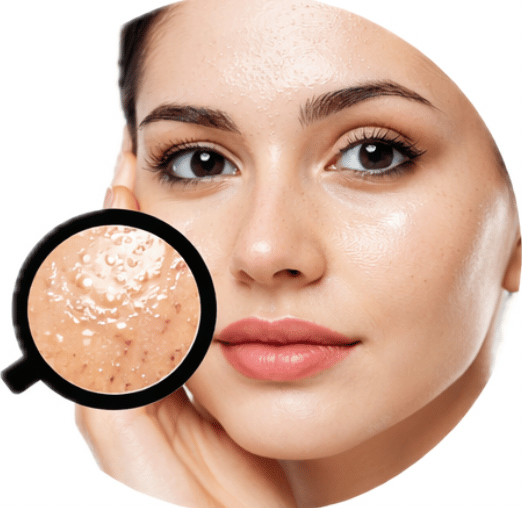
Comedonal Acne: Characterized by blackheads and whiteheads, occurs due to clogged hair follicles.
Inflammatory Acne: Inflamed, red papules and pustules develop due to bacterial infection.
Nodular/Cystic Acne: Deep, painful, and often larger lesions that form beneath the skin surface
II. Symptoms of Acne:
The symptoms of acne can vary based on the type and severity of the condition:
Blackheads: Open comedones, appearing as dark spots due to oxidized sebum and dead skin cells.
Whiteheads: Closed comedones, appearing as small, flesh-colored bumps.
Papules: Small, red, and tender bumps without pus.
Pustules: Pus-filled, red bumps that are often painful.
Nodules: Large, solid, painful bumps that develop beneath the skin.
Cysts: Deep, painful, pus-filled lesions that can cause scarring.
IV. Acne Treatment Options
Topical Treatments: Over-the-counter or prescription creams containing ingredients like benzoyl peroxide, retinoids, salicylic acid, or antibiotics can help unclog pores and reduce inflammation.
Oral Medications: Antibiotics, hormonal therapy (for females), and isotretinoin (a powerful retinoid) may be prescribed for severe cases.
Procedures: Dr. Preeti Chaube; trained expert staff may perform procedures such as chemical peels, microdermabrasion, or laser therapy to treat acne and its scars.
Lifestyle Changes: Maintaining a healthy lifestyle, managing stress, and following a balanced diet can complement acne treatment.
V. Managing and Preventing Acne
Proper Skincare: Adopt a gentle cleansing routine, avoid aggressive scrubbing, and use non-comedogenic skincare products.
Hands Off: Resist the urge to pick, squeeze, or pop acne lesions, as it can worsen inflammation and lead to scarring.
Sun Protection: Protect your skin from harmful UV rays by using sunscreen daily.
Clean Hair and Hats: Keep hair clean, and avoid allowing hair products or sweat to come into contact with your face. Wash hats regularly.
Diet: A balanced diet with limited sugary and high-glycemic foods may help manage acne.
Contact
Reach out for appointments or questions
Phone
drchaubeypreeti@gmail.com
8853436234
© 2025. All rights reserved.