VISIT US FOR BEST treatment IN KANPUR.

Understanding Fungal Infections
A Comprehensive Guide of Dr. Preeti Chaubey
Introduction
Fungal infections, while not typically life-threatening, can indeed cause significant discomfort and inconvenience for those affected. Dr. Preeti Chaubey, a renowned and respected medical professional specializing in Skin Consultant, is adept at diagnosing and treating fungal infections effectively. In this comprehensive guide, we aim to delve into various facets of fungal infections, providing insight into their causes, symptoms, risk factors, prevention strategies, and available treatment options, all under the expert guidance of Dr. Preeti Chaubey, a famous skin specialist.
What Are Fungal Infections?
Fungal infections, also known as mycoses, are skin conditions caused by various types of fungi. Fungi are microscopic organisms that thrive in warm and humid environments. When they penetrate the skin's surface, they can cause an array of infections. Common fungal infections include ringworm, athlete's foot, nail fungus, and candidiasis (yeast infection). These infections can occur on the skin, hair, nails, and mucous membranes.
Causes and Risk Factors
Fungi are naturally present on the skin and usually do not cause harm. However, certain factors can lead to their overgrowth and cause infections. Common causes and risk factors include:
Warm and humid environments
Poor hygiene practices
Weakened immune system
Skin injuries or wounds
Sharing personal items with an infected person
Sweating excessively
Tight-fitting clothing
Diabetes or other underlying health conditions
Recognizing the Symptoms
The symptoms of fungal infections vary depending on the type and location of the infection. Common signs include:
Red, itchy, and inflamed skin
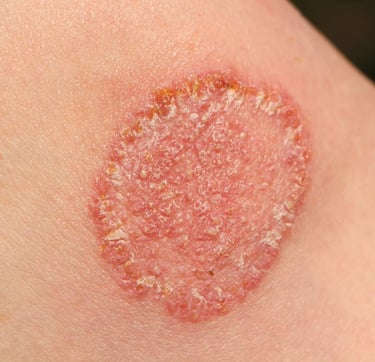
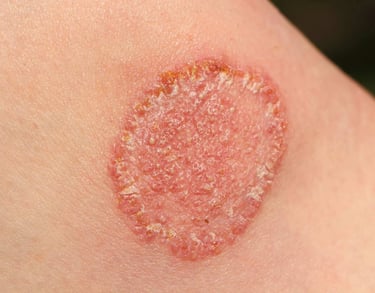
Circular or ring-shaped rashes with raised edges
Scaling or flaking of the skin
Cracking or peeling of the skin
Discolored, thickened, or brittle nails
Unpleasant odor
Discharge in the affected areas
Preventive Measures
Preventing fungal infections involves adopting good hygiene practices and making certain lifestyle changes. Follow these tips to reduce the risk of contracting fungal infections:
Keep the skin clean and dry, especially in areas prone to sweating.
Use antifungal powders or sprays, especially if you have a history of fungal infections.
Wear clean, breathable, and moisture-wicking fabrics.
Avoid sharing personal items like towels, socks, and shoes with others.
Opt for open-toed shoes in public places like swimming pools and locker rooms.
Maintain a balanced diet and exercise regularly to boost your immune system.
Treatment Options
Treatment for fungal infections depends on the type and severity of the infection. Common treatment options include:
Topical antifungal creams, lotions, or ointments for mild infections.
Oral antifungal medications for more severe or widespread infections.
Antifungal shampoos for scalp infections.
Nail lacquers or solutions for fungal nail infections.
Keeping the affected area clean and dry during treatment.
Contact
Reach out for appointments or questions
Phone
drchaubeypreeti@gmail.com
8853436234
© 2025. All rights reserved.