VISIT US FOR BEST treatment IN KANPUR.

Hair Care
Healthy hair reflects overall scalp health and well-being. Hair problems such as hair fall, dandruff, or premature greying are common today due to stress, lifestyle changes, hormonal imbalance, nutritional deficiencies, and environmental factors. Early diagnosis and proper treatment can help restore scalp health and improve hair growth.
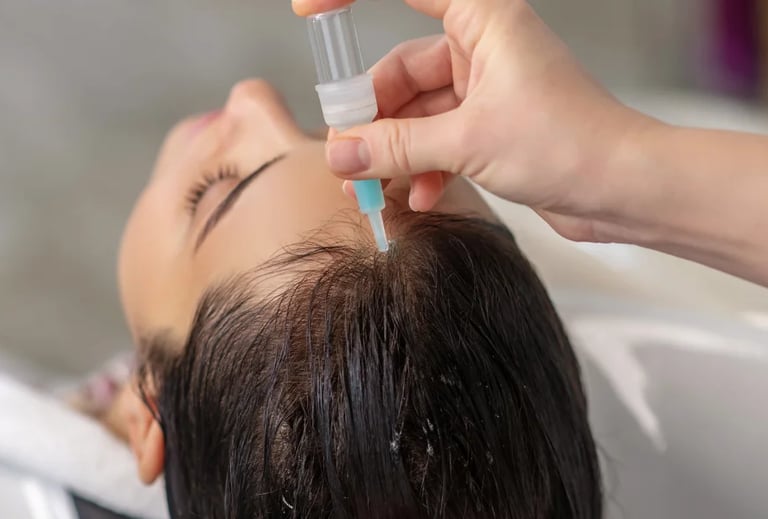
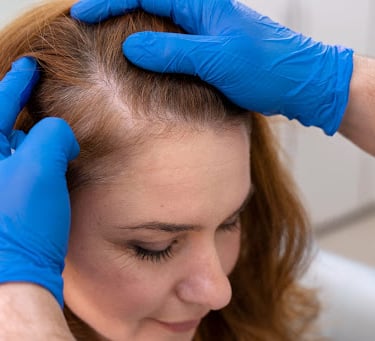
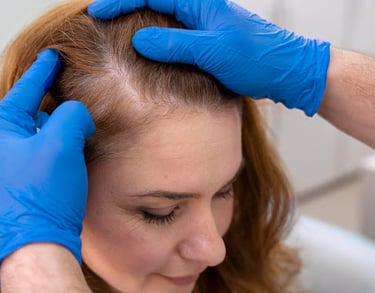
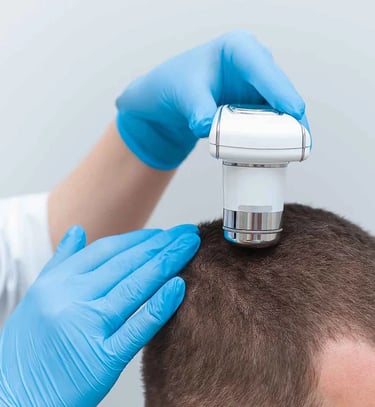
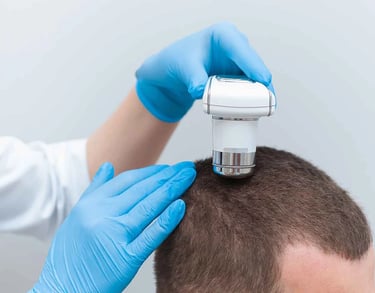
Hair Fall in Men
Hair fall in men is one of the most common hair concerns and is often linked to androgenetic alopecia (male pattern baldness). It typically begins with a receding hairline and thinning at the crown.
Common Causes
Genetic predisposition
Hormonal changes (DHT sensitivity)
Stress and lifestyle factors
Nutritional deficiencies
Scalp infections
Excessive use of chemical products
Symptoms
Receding hairline
Thinning hair on the crown
Gradual loss of hair density
Increased hair shedding
Treatment Options
Scalp evaluation and diagnosis
Medically approved hair growth treatments
Nutritional and lifestyle guidance
Scalp therapies to stimulate follicles
Personalized treatment plans for hair regrowth
Early intervention helps slow down hair loss and maintain healthy hair follicles.
Hair Fall in Women
Hair fall in women can be emotionally distressing and may occur due to hormonal imbalances, nutritional deficiencies, stress, or medical conditions. Unlike male pattern baldness, women usually experience overall thinning of hair rather than complete bald patches.
Common Causes
Hormonal changes (pregnancy, menopause, PCOS)
Iron deficiency and poor nutrition
Stress and lifestyle factors
Thyroid disorders
Excessive heat styling and chemical treatments
Post-illness or postpartum hair loss
Symptoms
Excessive hair shedding while combing or washing
Reduced hair volume
Thinning of hair along the parting line
Weak and brittle hair
Treatment Options
Detailed scalp and hair analysis
Nutritional and hormonal assessment
Medical treatments to reduce hair fall
Hair strengthening therapies
Customized hair care routines
Timely treatment helps restore hair strength and improve density.
Dandruff
Dandruff is a common scalp condition characterized by flaking, itching, and irritation of the scalp. It may be caused by dry skin, fungal infection, or excessive oil production.
Common Causes
Dry scalp
Fungal infection (Malassezia)
Poor scalp hygiene
Excess oil production
Stress and environmental factors
Symptoms
White or yellow flakes on scalp and hair
Itchy scalp
Scalp irritation or redness
Greasy or dry scalp patches
Treatment Options
Medicated anti-dandruff treatments
Scalp cleansing therapies
Antifungal treatments if required
Scalp hydration and balancing treatments
Lifestyle and hair care guidance
Proper treatment can effectively control dandruff and restore scalp health.
Premature Greying
Premature greying occurs when hair turns grey earlier than the expected age, often before the age of 30. It can be influenced by genetics, nutritional deficiencies, and lifestyle factors.
Common Causes
Genetic factors
Vitamin deficiencies (B12, iron, copper)
Stress and lifestyle habits
Hormonal imbalance
Smoking and environmental factors
Symptoms
Early appearance of grey or white hair
Progressive increase in grey strands
Changes in hair texture
Treatment Options
Nutritional assessment and supplementation
Lifestyle and dietary guidance
Scalp and hair strengthening therapies
Medical evaluation to address underlying causes
Early management may help slow the progression of greying.
Scarring Alopecia
Scarring alopecia (cicatricial alopecia) is a rare but serious condition where inflammation destroys hair follicles and replaces them with scar tissue, leading to permanent hair loss if untreated.
Causes
Autoimmune conditions
Inflammatory scalp disorders
Severe infections
Skin diseases affecting the scalp
Symptoms
Patchy hair loss with smooth or shiny scalp
Redness or inflammation
Burning or itching sensation
Permanent hair loss in affected areas
Treatment Options
Early diagnosis through scalp examination
Anti-inflammatory treatments
Medications to control immune response
Scalp care to prevent further follicle damage
Prompt treatment is essential to stop disease progression and protect remaining hair follicles.
Contact
Reach out for appointments or questions
Phone
drchaubeypreeti@gmail.com
8853436234
© 2025. All rights reserved.