VISIT US FOR BEST treatment IN KANPUR.
Pigmentation Removal
A Comprehensive Guide of Dr. Preeti Chaubey
Introduction
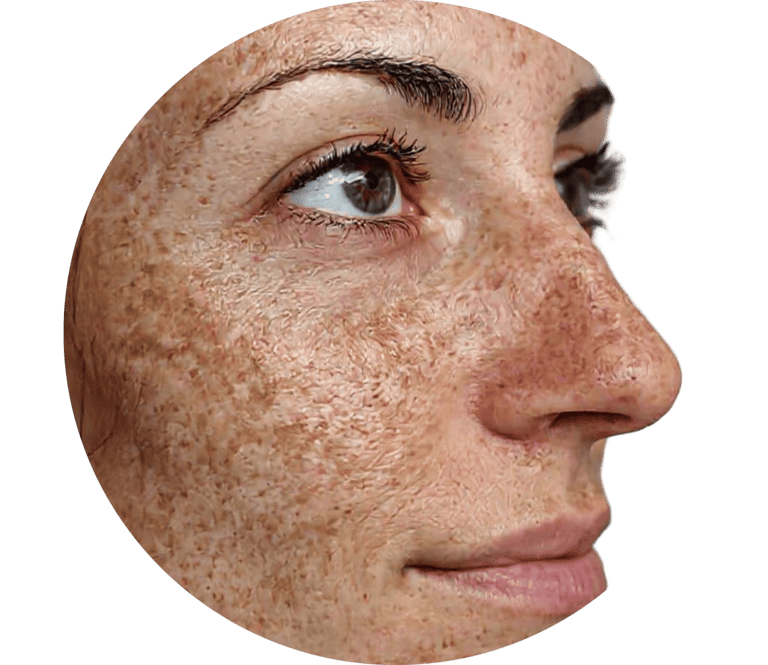
Pigmentation, the natural coloring of the skin resulting from melanin production, is a key aspect of skin health and appearance. However, when pigmentation becomes excessive or uneven, it can lead to concerns such as hyperpigmentation or melasma. Seeking guidance from a skilled Skin Consultant like Dr. Preeti , renowned for her expertise and compassionate care, is essential for effectively managing pigmentation issues and achieving a more even skin tone. This comprehensive guide aims to empower patients with knowledge about pigmentation removal and the diverse treatment options available to address their concerns.
Dr. Preeti,is a skilled Skin Consultant with a wealth of experience in treating various Skin Consultant conditions, including pigmentation disorders. Her commitment to providing personalized care and staying abreast of the latest advancements in Skin Consultant ensures that patients receive the highest standard of treatment tailored to their individual needs.
Understanding Pigmentation Issues
1. What is Pigmentation?
Pigmentation is the natural coloring of the skin, primarily determined by melanin, a pigment produced by specialized cells called melanocytes. Melanin protects the skin from harmful ultraviolet (UV) radiation and gives it its color.
Types of Pigmentation Issues
a. Hyperpigmentation: Excessive melanin production results in dark patches or spots on the skin.
b. Hypopigmentation: Insufficient melanin leads to lighter or white spots on the skin.
c. Melasma: Hormonal changes trigger the development of brown or gray patches, commonly occurring during pregnancy or due to birth control use. d. Post-Inflammatory Hyperpigmentation (PIH): Dark spots appear after inflammation or injury to the skin, such as acne or a wound.
Causes of Pigmentation Issues
Sun Exposure: UV rays stimulate melanocytes, causing an increase in melanin production and leading to sunspots or freckles.
Hormonal Factors: Hormonal imbalances during pregnancy or due to certain medications can cause melasma or other pigmentation issues.
Skin Injuries and Inflammation: Skin trauma, acne, or other inflammatory conditions can trigger PIH.
Genetics: Certain genetic factors can predispose individuals to specific pigmentation concerns.
Prevention and Lifestyle Measures
Sun Protection: Using broad-spectrum sunscreen with at least SPF 30, wearing protective clothing, and seeking shade can prevent sun-induced pigmentation.
Topical Treatments: Skincare products containing ingredients like vitamin C, retinoids, and niacinamide can help in reducing pigmentation over time.
Hormonal Management: For melasma triggered by hormonal changes, managing hormone levels can aid in controlling the condition.
Pigmentation Removal Treatment Options
Chemical Peels: Chemical peels involve applying a chemical solution to the skin, causing controlled exfoliation and shedding of damaged skin cells, leading to a more even skin tone.
Laser Therapy: Laser treatments target melanin in the skin to break down excess pigmentation and encourage the growth of new, evenly pigmented skin.
Intense Pulsed Light (IPL): IPL uses broad-spectrum light to target melanin and reduce pigmentation issues, such as sunspots and freckles.
Microdermabrasion: Microdermabrasion uses a device to exfoliate the skin's outer layer, aiding in the removal of pigmented cells and stimulating skin rejuvenation.
Cryotherapy: Cryotherapy involves freezing the pigmented area with liquid nitrogen to destroy abnormal melanin-producing cells.
Topical Prescription Medications: Dr. Preeti Chaube may prescribe topical medications like hydroquinone, corticosteroids, or tretinoin to treat hyperpigmentation or melasma.
Contact
Reach out for appointments or questions
Phone
drchaubeypreeti@gmail.com
8853436234
© 2025. All rights reserved.