VISIT US FOR BEST treatment IN KANPUR.
Seborrheic Dermatitis
Patient Information
Introduction
Welcome to the SKIN AND HAIR CLINIC we understand that you may be concerned about your skin condition, and we're here to provide you with all the essential information about seborrheic dermatitis. This document will help you better understand the condition, its causes, symptoms, diagnosis, treatment options, and some practical tips to manage it effectively.
What is Seborrheic Dermatitis?
What is Seborrheic Dermatitis?
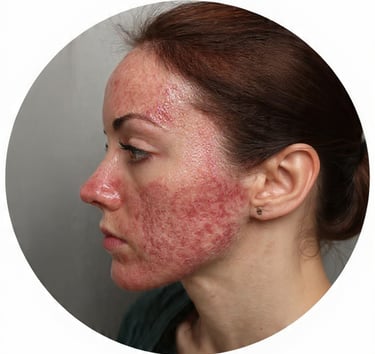
Seborrheic dermatitis is a common inflammatory skin condition that mainly affects areas with numerous sebaceous (oil-producing) glands, such as the scalp, face, and chest. It can also occur in other parts of the body. The condition may vary in severity and can have periods of improvement and exacerbation.
Causes:
The exact cause of seborrheic dermatitis is not fully understood, but several factors may contribute to its development:
Malassezia Yeast: An overgrowth of the Malassezia yeast on the skin is believed to be one of the primary causes.
Sebum Production: Increased sebum (oil) production can promote the growth of the Malassezia yeast.
Genetics: Family history may play a role in predisposing some individuals to the condition.
Hormones: Hormonal changes, stress, and other factors can influence the occurrence of seborrheic dermatitis.
Environmental Factors: Certain environmental factors, like cold weather or dry air, may exacerbate the condition.
Symptoms:
Seborrheic dermatitis presents with various symptoms, which can include:
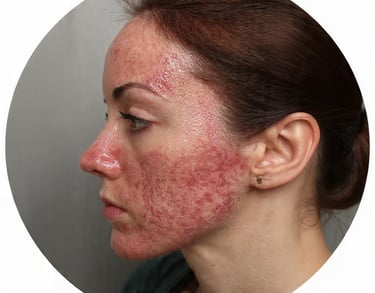
Red and Inflamed Skin: Affected areas may appear red, swollen, and irritated.
Greasy or Oily Skin: An excessive production of oil may make the skin look greasy.
Flaky or Scaly Skin: White or yellowish scales may appear on the skin surface, often resembling dandruff.
Itchiness: Seborrheic dermatitis can be itchy, leading to discomfort.
Rash or Eruptions: In severe cases, the condition may cause raised bumps or rash-like eruptions.
Treatment Options
Treatment for seborrheic dermatitis aims to control the symptoms and manage flare-ups. The following are common treatment options:
Topical Medications: Over-the-counter or prescription creams, lotions, or shampoos containing antifungal agents, corticosteroids, or other active ingredients can be used to reduce inflammation and control yeast growth.
Anti-dandruff Shampoos: Medicated shampoos containing ingredients like ketoconazole, selenium sulfide, or zinc pyrithione can help control scalp symptoms.
Cleansers and Moisturizers: Gentle cleansers and moisturizers can be beneficial in managing dryness and reducing irritation.
Lifestyle Changes: Avoiding triggers such as stress, cold weather, or certain skin care products can help prevent flare-ups.
Contact
Reach out for appointments or questions
Phone
drchaubeypreeti@gmail.com
8853436234
© 2025. All rights reserved.