VISIT US FOR BEST treatment IN KANPUR.
Understanding Stretch Marks and Effective Removal Options
Causes, Symptoms, Diagnosis, and Treatment
Introduction
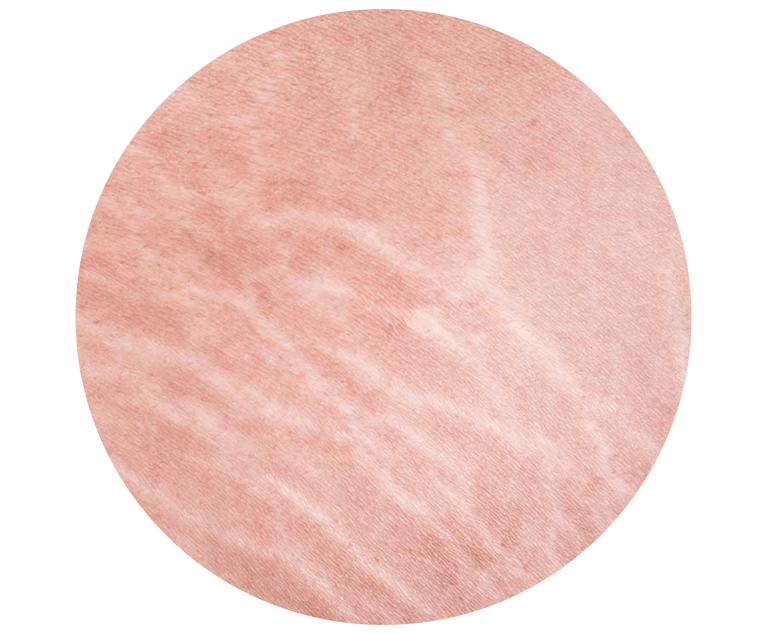
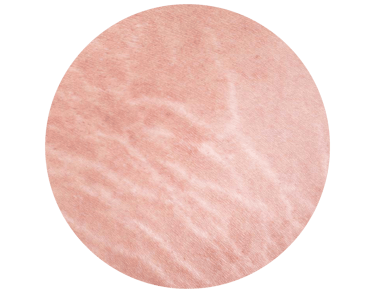
Stretch marks are a common skin concern that many individuals face at some point in their lives. Also known as striae, these marks appear as visible lines on the skin's surface, often with a different color and texture than the surrounding skin. Stretch marks can affect both men and women and can occur due to various factors such as rapid growth, weight fluctuations, pregnancy, hormonal changes, and genetics. If you are visiting a Skin Consultant seeking information on stretch mark removal, it is essential to understand the causes, prevention, and available treatment options.
Understanding Stretch Marks
What are Stretch Marks?
Stretch marks occur when the skin is stretched beyond its normal capacity, causing the underlying collagen and elastin fibers to rupture. Initially, they may appear as red, purple, or pink streaks, and over time, they can fade to a lighter, silvery color. While stretch marks are not harmful to your health, they can cause self-consciousness and affect your self-esteem.
Common Causes of Stretch Marks
Stretch marks can arise from various reasons, including:
a) Pregnancy: Many women experience stretch marks during pregnancy due to the rapid expansion of the abdomen.
b) Growth Spurts: Adolescents may develop stretch marks during growth spurts as their bodies grow quickly.
c) Weight Fluctuations: Significant weight gain or loss can lead to stretch marks, especially in areas like the abdomen, thighs, breasts, and upper arms.
d) Hormonal Changes: Hormonal imbalances, such as those during puberty or certain medical conditions, can contribute to stretch marks.
e) Genetics: A family history of stretch marks may increase the likelihood of developing them.
Prevention and Home Remedies
While it may not be possible to completely prevent stretch marks, you can minimize their occurrence by following these tips:
a) Maintain a Healthy Weight: Gradual weight loss or gain is less likely to cause stretch marks compared to rapid changes.
b) Stay Hydrated: Drinking plenty of water can help keep your skin hydrated and more elastic.
c) Eat a Balanced Diet: A diet rich in vitamins, minerals, and antioxidants can support healthy skin.
d) Exercise Regularly: Regular physical activity helps maintain skin elasticity and overall health.
e) Use Moisturizers: Applying moisturizers or oils to the skin can help keep it supple and prevent excessive dryness.
Home Remedies for Mild Stretch Marks
While home remedies may not entirely remove stretch marks, they can potentially help improve their appearance:
a) Aloe Vera: Aloe vera gel can soothe the skin and promote collagen production.
b) Cocoa Butter: Massaging cocoa butter onto the affected areas can moisturize the skin.
c) Vitamin E: Applying vitamin E oil may aid in skin repair and reducing stretch mark visibility.
d) Lemon Juice: The acidic properties of lemon juice may help lighten stretch marks.
e) Hyaluronic Acid: Topical products containing hyaluronic acid can boost skin hydration.
Medical Treatments for Stretch Mark Removal
1. Topical Retinoids
Topical retinoids, derived from Vitamin A, can stimulate collagen production and improve the appearance of stretch marks over time. However, these treatments should be used with caution, especially during pregnancy, as they may not be safe for the developing fetus.
2. Chemical Peels
Chemical peels involve the application of a chemical solution to the skin, which exfoliates the top layer and promotes skin regeneration. This procedure can be effective in reducing the appearance of superficial stretch marks.
3. Microdermabrasion
Microdermabrasion is a non-invasive procedure that exfoliates the skin using tiny crystals. It can help improve the texture and appearance of stretch marks, particularly if they are relatively new.
4. Laser Therapy
Laser therapy is a popular and effective treatment for stretch mark removal. Different types of lasers, such as fractional lasers and pulsed dye lasers, can target the affected areas and stimulate collagen production, leading to smoother skin.
5. Microneedling
Microneedling involves the use of a device with tiny needles that create micro-injuries in the skin. This stimulates collagen production and can improve the appearance of stretch marks when performed by a trained professional.
6. Radiofrequency Therapy
Radiofrequency (RF) therapy uses energy waves to heat the deep layers of the skin, promoting collagen production and reducing stretch marks' appearance.
Contact
Reach out for appointments or questions
Phone
drchaubeypreeti@gmail.com
8853436234
© 2025. All rights reserved.