VISIT US FOR BEST treatment IN KANPUR.

Understanding Urticaria
A Comprehensive Guide of Dr. Preeti Chaubey
Introduction
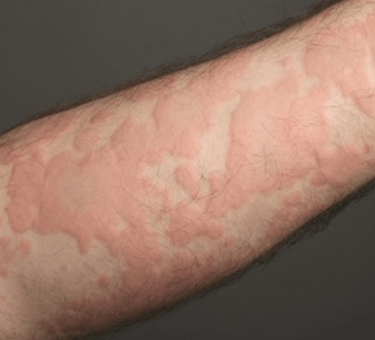
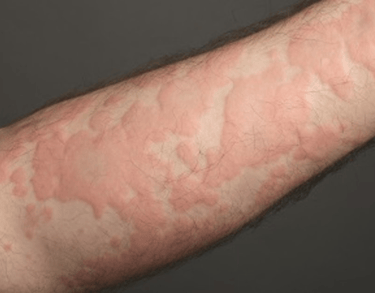
Urticaria, commonly known as hives, is a skin condition characterized by the sudden appearance of itchy, raised welts (wheals) on the skin. These wheals can vary in size and shape and often have a red or pale color. Urticaria is a common condition that affects people of all ages and can be caused by various factors, such as allergies, infections, medications, or stress. If you are experiencing symptoms of urticaria, seeking the expertise of a Skin Consultant is essential for accurate diagnosis and appropriate management. Here's some important information for your visit:
Medical History
During your visit, the Dr. Preeti Chaubey will inquire about your medical history. Be prepared to provide information about any pre-existing medical conditions, allergies, recent illnesses, or changes in medication. This will help the Skin Consultant understand potential triggers and underlying factors contributing to your urticaria.
Symptoms
Describe your symptoms in detail. Mention when the hives first appeared, how long they last, and if you have noticed any specific triggers or patterns. Inform Dr. Preeti Chaubey about any associated symptoms, such as itching, burning, or swelling, as well as any discomfort or pain you might be experiencing.
Triggers
Identifying triggers is crucial in managing urticaria. Common triggers include certain foods (e.g., nuts, shellfish, eggs), medications (e.g., antibiotics, NSAIDs), insect stings, pollen, physical stimuli (e.g., heat, cold, pressure), and emotional stress. Inform the Skin Consultant about any potential triggers you have noticed.
Allergies
If you suspect that an allergy may be causing your urticaria, be prepared to discuss your history of allergies. This includes any known allergies to food, medications, or environmental factors.
Medications
List all medications you are currently taking, including over-the-counter drugs and supplements. Some medications can cause urticaria as a side effect, so this information is vital for diagnosis and treatment planning.
Impact on Daily Life
Explain how urticaria affects your daily life and well-being. Share information about any limitations in daily activities, work, or social life due to the condition.
Contact
Reach out for appointments or questions
Phone
drchaubeypreeti@gmail.com
8853436234
© 2025. All rights reserved.