VISIT US FOR BEST treatment IN KANPUR.

Understanding Vitiligo
A Comprehensive Guide for Patients
Introduction
What is Vitiligo?
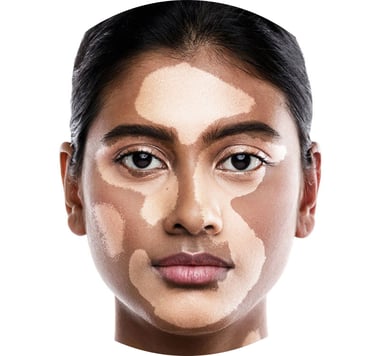
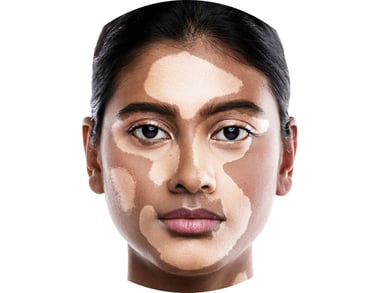
Vitiligo is a chronic skin disorder that causes the loss of skin color in patches, resulting from the destruction of melanocytes, the cells responsible for producing melanin, the pigment that gives our skin its color. This condition can affect any area of the body, including the skin, hair, and mucous membranes.
Causes
The exact cause of vitiligo is not fully understood, but it is believed to involve a combination of genetic, autoimmune, and environmental factors. Some common triggers may include family history, stress, sunburn, exposure to certain chemicals, and immune system abnormalities.
Symptoms
The primary symptom of vitiligo is the appearance of white patches on the skin. These patches may be small and localized or larger and spread over a wide area. They are more noticeable in individuals with darker skin tones. Vitiligo is typically non-contagious and does not cause any physical discomfort, but it can have significant psychological and emotional effects due to its impact on appearance.
Diagnosis
If you notice any depigmented or white patches on your skin, it is essential to seek medical advice from Dr. Deepali Bhardwaj. The doctor will perform a physical examination and may also review your medical history and family history. In some cases, a skin biopsy or a blood test may be required to rule out other conditions with similar symptoms.
Treatment
While there is no definitive cure for vitiligo, several treatment options are available to manage the condition and improve the appearance of the affected skin:
Topical Medications: Corticosteroid creams or ointments can help to re-pigment the skin and reduce inflammation in the affected areas.
Phototherapy: This treatment involves exposing the skin to controlled ultraviolet A or B light, either through specialized lamps or sunlight. It stimulates melanocyte activity and can be effective in some cases.
Narrowband UVB: A specific type of phototherapy that uses a narrow range of UVB light to target the affected areas.
Excimer Laser: A focused laser that delivers targeted UVB light to the depigmented patches, encouraging repigmentation.
Depigmentation: In cases where vitiligo covers a large portion of the body, depigmentation of the remaining skin may be an option to create a more even skin tone.
Surgical Treatments: Procedures like skin grafting, blister grafting, and micropigmentation can be considered for stable vitiligo that doesn't respond to other treatments.
Self-Care
In addition to medical treatments, there are some self-care measures you can take to manage vitiligo:
Sun Protection: Protect your skin from excessive sun exposure by using sunscreen with a high SPF, wearing protective clothing, and avoiding peak sun hours.
Camouflage Makeup: Using cosmetic products specifically designed to conceal vitiligo patches can help boost confidence and improve appearance.
Support Groups: Connecting with others who have vitiligo can provide emotional support and helpful coping strategies.
Contact
Reach out for appointments or questions
Phone
drchaubeypreeti@gmail.com
8853436234
© 2025. All rights reserved.